
Today, customers can come across your brand through various touchpoints, including social media posts, blog posts, email campaigns, and customer service interactions. Your audience’s interaction with your content shapes their perception of who you are and whether they can trust you. Unfortunately, many businesses struggle with inconsistent messaging, which causes confusion among your audience and, worse, weakens brand recognition.
Brand voice guidelines serve as the foundation for creating authentic and consistent communication that helps build a lasting connection with your target audience; at the end of the day, your target audience is the most important thing in your brand’s ecosystem. When implemented effectively, these guidelines transform scattered messaging into a cohesive brand experience that customers recognize, trust, and remember. Through this blog article, you will learn more about what brand voice guidelines are, their key components as well as why it matters. This article will also walk you through how to create and implement them.
What Are Brand Voice Guidelines?
Brand voice guidelines are comprehensive documents that define how your brand communicates across all channels and touchpoints. Think of them as your brand’s communication DNA; they establish the personality, tone, language choices, and messaging style that represents your brand’s identity. Just as the brand style guide provides your audience with a visual representation of your organization, the voice encompasses the message you want to convey.
These guidelines serve as a roadmap for all content creators, from marketing teams to customer service representatives. They also play a key role in your content strategy guide. They ensure consistency whether you’re communicating through social media, email campaigns, website copy, or customer support interactions.
A recognizable brand voice, for example, is Nike. Their voice can be considered motivational, empowering, and action-oriented. Nike’s voice remains consistent across multiple media, from their website to their commercials. Their signature “Just Do It” philosophy permeates everything they do. This brand makes its audience feel connected to the messages it conveys.

(Source – Nike)
As shown from Nike’s website, they document inspiring stories of perseverance and inspiration.
Why Brand Voice Guidelines Matter
Having a consistent brand voice builds recognition and trust. Without clear guidelines, your messaging becomes fragmented, making it difficult for customers to form a coherent impression of your business. This inconsistency directly impacts your bottom line by reducing brand recognition and weakening customer relationships. You want to have a strong brand voice and differentiate yourself from your competitors.
Building Brand Authority and Recognition
Building brand authority and recognition requires a significant amount of time, effort, and execution. All of that starts with earning your audience’s trust, which also takes a lot of time, effort, and execution. To be successful in your brand voice, your brand tone must be authentic to you. Ultimately, you want to convey a clear understanding of who you are.
For example, tech companies often establish authority through clear, knowledgeable communication that demonstrates expertise without overwhelming their audience.
Companies like Apple have mastered this through their confident, minimalist approach. For example, look at how they present their products in the picture below. They provide a picture of the product along with its specifications and pricing. Your target audience is key to your brand’s success, and Apple treats them appropriately.
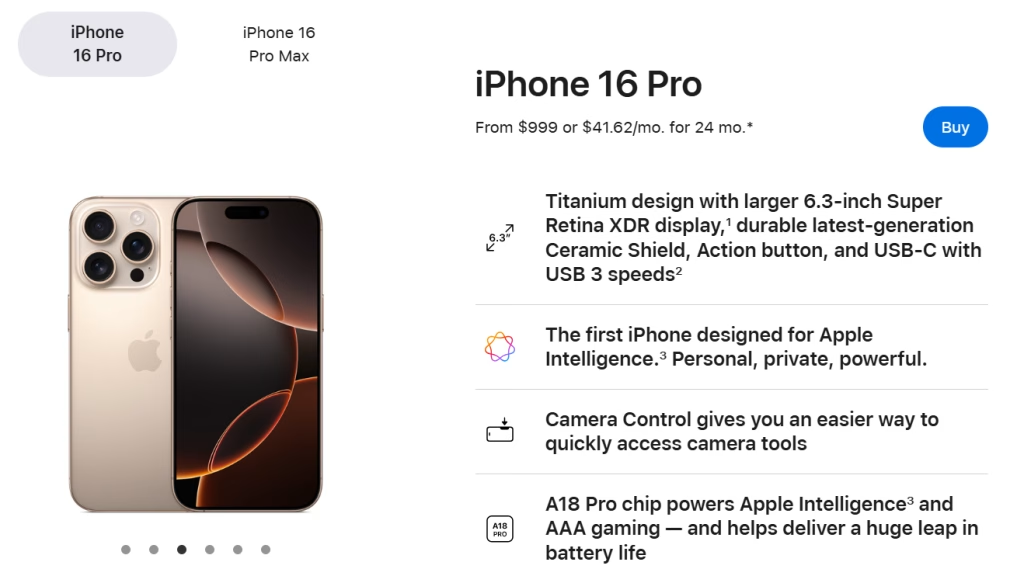
(Source – Apple)
Another company, Mailchimp, on the other hand, is known for its conversational voice that makes complex topics accessible. They also use short sentences and are generally quick and to the point.

(Source – Mailchimp)
Components of Effective Brand Voice Guidelines
Effective guidelines start with a clear definition of 3 to 5 core personality traits that reflect your brand’s character, brand voice characteristics, and company values. These traits should be specific enough to guide daily content decisions while broad enough to allow for creative expression across different channels.
Each personality trait requires detailed descriptions of what it specifically means for your brand. Instead of simply saying your brand is “friendly,” explain what friendly looks like in practice. Does it mean using a casual tone, incorporating humor, or taking a more supportive approach to customer problems? For example, the list of core traits below would exemplify what a company’s wants their traits to be:
- Authentic and Transparent
- Innovative and Forward-Thinking
- Reliable and Trustworthy
- Approachable and Human-Centered
- Purpose-Driven and Socially Conscious
A list of core traits helps determine your voice and overall brand tone. The core traits give your audience and customers a sense of who you are. The list internally acts as a compass, allowing you to refer back to it if your voice and tone change over time.
Creating Your Brand Voice Chart
A brand voice chart is a structured framework that outlines voice characteristics, descriptions, and practical applications. Similar to your traits list, the voice chart helps define and better understand your voice. This brand voice template example shown below details how to create one:
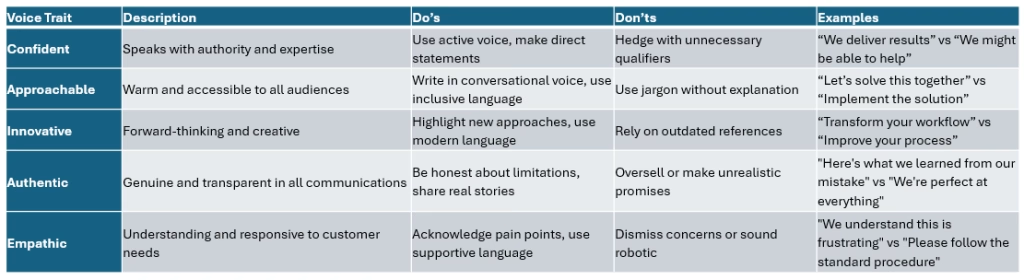
Ensure that your chart is reviewed by your team and approved by management before the implementation process. Once approved, ensure that the chart is easily accessible to all team members also to ensure team alignment and effective implementation. Ultimately, you want to have a unique brand voice and compelling brand voice.
Steps to Create Brand Voice Guidelines
Creating effective brand voice guidelines involves a few key steps. The steps require the involvement of both internal stakeholders and external audiences to be successful.
Perform Internal Brand Assessment
Begin with an internal brand assessment to understand your current voice and identify existing strengths within your existing content. At a high level, an internal brand assessment consists of the following key steps:
- Audit Your Current Content and Messaging – This step involves reviewing all existing marketing materials to validate the tone, language, and personality of your content.
- Conduct Brand Workshop – The next step involves performing a brand workshop that involves key stakeholders. The workshop consists of the team articulating your brand’s core values, mission, and key personality traits.
- Analyze Your Target Audience’s Communication Preferences – The third step involves performing research into how your ideal customers communicate. Essentially, you’re determining your organization’s communication style.
- Map Your Brand Voice Against Competitors – The final step involves studying how competitors in your space communicate with shared audiences and identifying gaps or opportunities for differentiation.
Audience Research and Persona Development
If you haven’t already done so, it’s essential to create detailed buyer personas that include their communication preferences and language patterns. It goes without saying that it’s important to understand how your audience prefers to communicate. Understanding how your audience communicates helps ensure your brand voice resonates authentically with their expectations and needs. Being able to address your audience’s pain points is the name of the game.
Content Audit and Voice Assessment
Review all existing content, including website copy, social media posts, email campaigns, and customer communications. This comprehensive audit reveals patterns in your current content and highlights areas where voice consistency can be improved.
Make sure you identify the content pieces that best represent your desired brand voice and analyze why they are effective. Use the audit findings results to inform voice guideline development and training priorities.
Brand Voice Examples and Inspiration
If you want your organization to be successful in figuring out your brand guidelines, find and study successful brand voice examples. Here are a couple of examples for reference:
Wendy’s displays a bold, sassy personality through humorous social media interactions that bring joy to their audience. Think about their commercials; they are bold, sassy, and humorous (sometimes considered offbeat humor). Just look at their website’s front page; it’s extremely bold.

(Source – Wendys)
Dove maintains a gentle yet confident voice focused on empowerment and authenticity.

(Source – Dove)
Implementing Brand Voice Guidelines
Once you have performed all the necessary prework to develop your brand voice guideline, it’s time for implementation.
Document and Distribute Guidelines
Create a comprehensive brand voice guideline document that provides the following key items:
- Clear examples
- Do’s and don’ts
- Brand personality traits
- Tone variations for different contexts
Once complete, distribute it to all team members who are responsible for creating content.
Train Your Content Development Team and Stakeholders
Conduct training sessions to educate your content development team and marketing team on how to apply your brand voice consistently across all communication mediums.
Create Review Process
It’s vital that after you’ve trained your content team, you should create a workflow review and approval process. The review and approval process occurs prior to publishing each piece of content. Clear processes ensure valuable information is communicated consistently while giving teams confidence in their content decisions.
Develop Templates and Examples
As part of the implementation process, you want to make sure your organization is in lockstep with everyone. Developing and implementing templates will help ensure that. Various templates that should be developed include:
- Email templates
- Social media post templates with examples
- Content frameworks, including content governance, development, and strategy
The templates must align with each other to embody your brand’s voice.
Monitor and Audit Content Regularly
After your templates have been developed and implemented, it’s wise to monitor all of the content you publish immediately. It will make auditing the content easier down the line. Key indicators to focus on include but are not limited to the following:
- Audience engagement rates
- Email open rates
- Click-through rates
Once you’ve implemented your processes and monitoring is in place, give them room to breathe. Around the 6-month mark, you should perform an audit of the content you’ve published across your platforms to ensure they are aligned with your templates.
Measuring Brand Voice Success
As you monitor your content by the brand voice guidelines, you must develop key indicators. These indicators will help you validate whether your brand voice is resonating with your audience or requires updates. Some of the key indicators to look for include:
- Customer retention rate
- Clicks
- Content engagement rate
- Social media mentions
- Comments
- Shares (Social Shares)
Measuring these key metrics, among others, will help identify opportunities for improving your content.
Update and Refine Your Brand Voice and Content
Key metrics from your audience and customers give valuable insight into the effectiveness of your brand’s voice and its alignment with the content your team has developed. As with everything, audience and customer tastes, as well as their engagement with your brand, change over time. Your metrics will provide you with the opportunity to pivot and make adjustments to your voice and content.
Conclusion
Now that you have a better understanding of your brand’s voice and its impact on your content, it’s time to get started building your own. Use the steps to create the voice guidelines as well as the steps to implement and enhance them. Once you have done this, you’re well on your well to defining your brand’s voice across all your platforms and content.