
Writing can be a fun, cathartic, daunting, and overall dynamic experience. Knowing how to start is among the most challenging aspects of writing a story, book, or blog post. Failure to start writing can happen even if you know what you want to write about; it’s a form of writer’s block. Many writers have writer’s block, which writers struggle with every day.
Breaking writer’s block, especially when trying to get started, can be challenging but not impossible to overcome. Understanding how to start writing can be a simple process. In this blog post, you’ll learn why people struggle with the beginning stages of the writing process and the 11 essential tips to help you break through and start writing. So, if you’ve been struggling with getting your words on paper, don’t worry; these 11 tips should help you get past that initial trepidation, dive in, and get started.
Why is Knowing How to Start Writing Important?
Starting your writing process can be daunting, but you don’t need to let it be that way. You need to know how to begin writing to complete whatever task you’re trying to achieve. Imagine you have this fantastic story idea but don’t write it because you need to know how to start, or you have an essential essay report for school, and you procrastinate because you need to know how to begin. Knowing how to start allows you to move forward with your writing process. Now that you understand why the start process is essential, there are reasons that you may be holding yourself back.
It’s no secret that getting started with writing is one of the most challenging and often frustrating parts of the writing process. Knowing how to start writing is essential because it can mean the difference between producing great content and not writing. Starting can be particularly challenging when writer’s block sets in or when there’s a lack of direction for your work, but that’s precisely where things like word count, writing goals, and researching relevant material comes into play.
Once you have a specific goal and a clear direction for your work, you can create a writing routine that builds consistency and momentum. By knowing how to start the writing process, you can maximize your chances of success and overcome the initial hurdle of getting started. With the right tools and strategies, beginning your writing task can become a more comfortable and enjoyable experience propelling you towards excellent writing outcomes.
Reasons Why People Struggle with Starting the Writing Process
There are many reasons why people, unfortunately, struggle when it comes to beginning their writing process.
Lack of Confidence in Writing Abilities
You may struggle with writing because you need more confidence in your abilities. The lack of confidence can cause many of you to procrastinate and avoid the process. You also may need to improve in grammar, spelling, and punctuation. Professional and novice writers can have spelling errors, punctuation, grammar, and sentence structure issues. Spelling errors, especially, are a common issue with most writers.
To help improve your writing confidence, try reading similar stories, articles, and books to what you are writing about. Observing other writers’ structures and techniques can help build confidence in your abilities and your story. You can also take a writing course to help remediate writers’ common writing mistakes.
Fear of Failure
Another reason you may be struggling is because of your fear of failure. If you write a story, no one will like it, or it won’t have the intended impact.
Don’t Know Where to Start Writing
Not knowing where to start writing is a significant hurdle to get past. Unfortunately, some writers don’t know where to start when tasked with a writing assignment, whether personally, academically, or professionally.
Not knowing where to start can be due to many different reasons, which include the following:
– Having too many ideas
– Failure to narrow focus
– Don’t have enough ideas
Unfortunately, not knowing where to start can also create self-doubt and fear of failure, as writers worry that they won’t be able to produce something worthwhile
. To remediate this issue, pick any place and start writing. Don’t worry about choosing the perfect place to start. Many writers only sometimes start in the beginning.
You could also build an outline of your story or assignment and follow it from there. Another recommendation is to try brainstorming ideas or free-writing to get your creative juices flowing. These recommendations help establish a clear starting point and reduce feeling overwhelmed.
Lack of Confidence in Your Story
A lack of confidence in your story can cause procrastination, overthinking, and a lack of motivation and drive toward starting it. If you lack confidence in your story, it can make it challenging to begin the writing process and can lead to feelings of anxiety and uncertainty.
One way to build confidence and overcome these feelings is to remind yourself of your overall vision for your work, why you’re writing it, and what you hope to achieve. It can also be helpful to obtain feedback from others or join writer’s groups to receive constructive criticism that can help you to improve your work. Another recommendation is to outline the story before you start writing. Think of ways to improve it. Once you’re satisfied with the outline, you start writing.
Additionally, focusing on the writing process rather than the outcome can help alleviate the pressure and expectations of starting a new project. By breaking down your writing goals into more manageable steps, you can build momentum and confidence over time, ultimately leading to a more rewarding writing experience.
Lack of Understanding of the Assignment
Knowledge of an assignment before writing about it is crucial to its success. If you need help understanding what you are writing about, it is easy to complete the task successfully.
A lack of understanding of the assignment can cause even the best writers to have some trepidation. A recommendation to help remedy the issue is to perform more research on the topic. You can also find subject matter experts in the industry and interview them or review your work to ensure you are accurate.
Nervous That the Audience Won’t Like Your Work
Many new and experienced writers are nervous or sometimes afraid of people reading their work. The fear of rejection, criticism, or ridicule can create self-doubt and negatively impact the writing process. Writers may worry that their audience will not like their work or that the message will not resonate with them. Whether it’s your teacher, professor, editor, or audience, having another person reviewing your work is always helpful. It’s best to see these people as those who can help you. Don’t think of them as someone condemning your work. It’s all about your mindset.
It’s essential to remember that everyone has different tastes and preferences, and it’s impossible to please everyone. It would help if you focused on crafting something that resonates with you and staying true to your vision, not others.
By focusing on the process and the goals behind their writing, rather than solely on audience approval, writers can overcome their fears and create meaningful and impactful work.
11 Steps to Start Writing Your Writing Process
1. Create a Writing Space
All great work starts with a place to write. Before you begin any other steps, finding a place to write is recommended. Try finding a quiet, clean location, and always readily accessible for you to jump into writing.
Having a quality place to write has many positive effects on your writing, focus, and attention. When designing a writing space, think of locations you believe would be best for you.
2. Get Materials
Once you have finalized your space, you must have your materials ready. Many materials are essential, and some that are optional. In terms of your essentials, you’ll need the following:
– Writing Utensils (Pencils, Pens)
– Notebook, Notepad
– Laptop
– PC
The selection of these essentials will heavily depend on your writing preference and approach. If you prefer handwriting, you won’t need a PC or laptop, at least not initially. Some non-essential items include the following:
– Cellphone (Used to listen to podcasts, audiobooks, etc.)
– Headphones
– Book (Books for inspiration)
– Magazine
The purpose of these items mainly pertains to people who like background noise while working or reading materials for inspiration before they work.
3. Leverage Materials That Inspire You
Whether you have an idea for a story or blog post, it’s always a great idea to read materials that can inspire you and helps drive your creative process. Leveraging inspirational material can also help you overcome obstacles when you’re struggling to begin. Additionally, research can provide valuable context and perspective on your work and ensure that your writing is accurate and relevant.
Consider why you started writing; think about the writers who inspired you. You can read novels, magazines, and blogs and listen to podcasts. You find materials encouraging you to get your creative juices flowing, keep moving, strengthen your writing, and provide a strong foundation for your work.
4. Home in on the Type of Story You Want to Tell
Once you have a story idea, blog post, article, or essay it’s time to figure out the format in which you will say it. There are many ways in which you can tell a story:
– Essays
– Blog Posts/Articles
– Short Stories
– Novels
– Poetry
– Audio Books
– Video
Depending on the story format you decide, it will influence how you develop the story and how to write it. It is also crucial to the writing process as it shapes the story’s tone, structure, and direction. Whether it’s a mystery, a romance, or a coming-of-age tale, each genre has specific conventions and expectations that guide the reader’s experience.
Homing in on a specific genre or style of storytelling helps you establish a clear focus and vision for your work, which can streamline the writing process and prevent feeling overwhelmed by its many possibilities.
5. Set a Schedule
It’s essential with any process or task to be consistent. Consistency helps with improving your writing skills and overall writing process. Consistency also helps with bringing a stronger focus to accomplishing your primary goal. Developing a schedule will help maintain consistency with your writing. Having a schedule will assist with keeping you on task, taking the guesswork, and knowing when to write.
You can add smaller goals within each scheduled date to give your session a central focus.
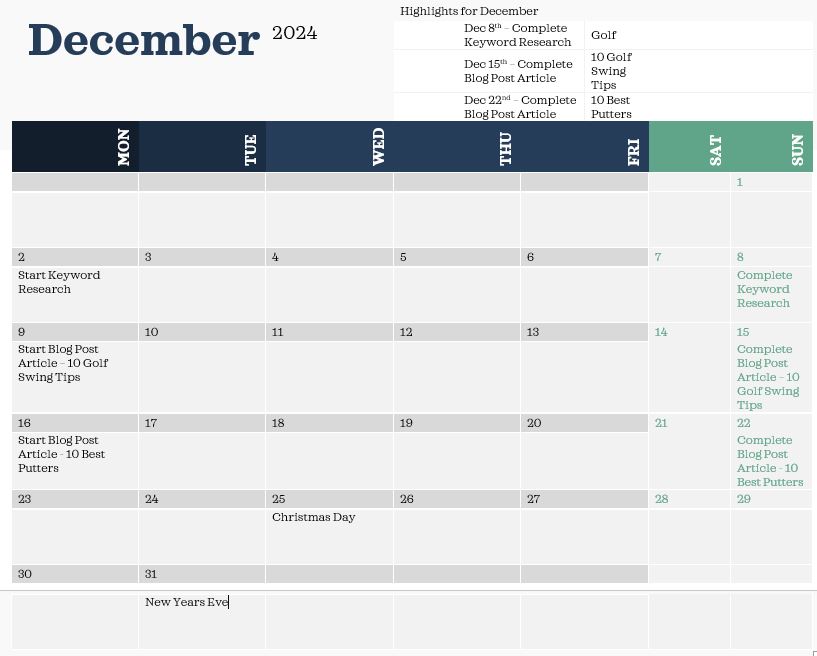
A schedule is essential for long-term writing projects and beneficial for short-term tasks like blog posts or articles. Scheduling allows you to plan and stay on track with your writing tasks.
6. Set SMART Goals
Any significant goal needs to be realistic. Setting arbitrary goals for the sake of setting one will hurt your overall approach. You don’t have to write your entire story in one session. That is not a realistic goal.
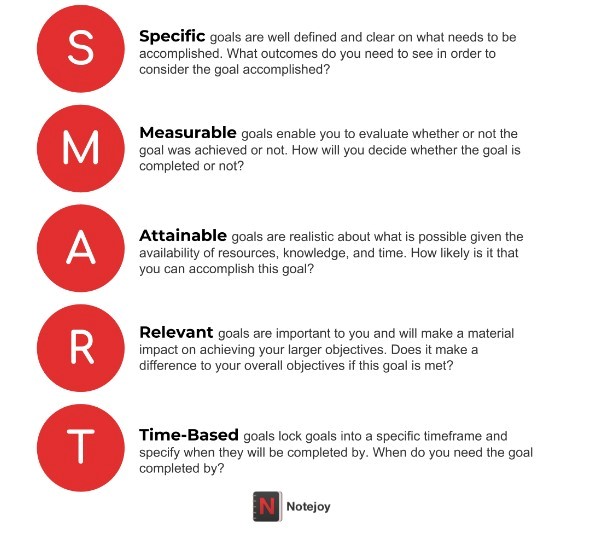
It’s vital for goals to be realistic and attainable. To establish your writing goals using the SMART goal approach.
(Source – Notejoy)
Setting SMART goals will allow you to develop goals you can accomplish and understand within each section; you’ll be able to set a real and attainable goal. Below is a summary of the SMART goal approach and how to structure your goals.
Specific
Your goal should be clear and concise with a clear goal in mind. With a clear goal in mind will be easier to accomplish it. When you are developing your writing goals, try answering the following questions:
– Who is the goal for?
– What do you want to accomplish?
– Where do you need to go to accomplish your goal?
– When can this be accomplished?
– Why is this goal important to you?
Creating specific goals, including writing, is crucial for success in any life area. Having vague goals, such as “write a book,” is not as effective as having specific goals, such as “write 1,000 words per day for the next 90 days to complete a 90,000-word manuscript.”
Specific goals help to clarify your vision, establish a clear direction, and provide a concrete plan for achieving your objectives. Creating specific goals is essential for setting direction, creating a plan, breaking down larger goals into manageable steps, measuring progress, and ultimately, achieving success.
Measurable
The goal must be trackable. Creating measurable goals is essential to goal setting, enabling you to track and assess your progress. By creating quantifiable goals, you can observe your improvement over time and adjust your approach, if necessary, which helps to keep you motivated, focused, and productive.
Setting measurable goals also provides a clear sense of direction and helps to make your goals more realistic and attainable.
Achievable
Being able to reach the goal is arguably the most essential part. Setting an unrealistic goal will make you less likely to continue after not seeing progress. You may quit that specific activity altogether if you don’t see progress. Setting a realistic and achievable goal will allow you to focus on your tasks and encourage you to keep going.
Creating achievable goals is essential to maintain motivation and focus. Setting unattainable goals can lead to frustration, discouragement, and a lack of motivation.
Relevant
The goal has to be important to you and align with what you are trying to accomplish. Having a goal that doesn’t fit into the larger picture of what you want to achieve or something you don’t care about will only lead to a lack of motivation.
Creating relevant writing goals is essential for achieving success in any writing project. Appropriate goals are meaningful and relevant to your unique writing journey. When your goals align with your values and priorities, you will likely stay motivated and focused on completing your project.
Relevant goals enable you to prioritize your time and energy towards areas that matter most to you, allowing you to achieve personally fulfilling and satisfying success. By creating relevant goals, you can establish a clear direction and plan for your writing, making the entire process more manageable and enjoyable.
Time-bound
Setting a goal that can take an extended period may discourage you from continuing. It’s vital to set timely goals that you can accomplish. These time-bound goals may lead to a bigger goal that will take longer. For example, by setting smaller daily writing goals, you can create a goal focused on writing a book in six months.
Creating time-bound goals is essential for staying focused and productive when writing. Setting a timeline for your goal provides structure, encourages actionable steps, and helps you stay on track and motivated throughout the process. When you set realistic timelines, it keeps you accountable and allows you to measure progress efficiently.
Time-bound goals allow you to focus on the present, take one task at a time, and give you a better chance at success.
By setting SMART writing goals, you can ensure that your goals are meaningful, achievable, relevant, and time-bound. Doing so will help you stay motivated, focused, and organized throughout the writing process. Ultimately, this will ensure you can move closer to achieving your writing aspirations.
7. Maintain Your Focus
Having focus is essential to accomplishing any task or goal. With focus, the progress you want to make during writing sessions will occur. Distractions can come from various sources, and it’s essential to be able to stay focused.
Creating an action plan and breaking down larger goals into smaller and more manageable steps can help maintain focus and prevent feeling overwhelmed and the urge to procrastinate. Maintaining focus requires discipline, self-awareness, and staying motivated and committed to your goals.
8. Start with a Story/Topic you Enjoy
Finding a story or topic you enjoy gives you more drive and enthusiasm to perform and complete your work. People are generally less enthusiastic and driven to accomplish something they are either less excited about or outright dislike.
Developing a story or topic based on your interests makes many other tasks, including story outline, focus, goals, and research, more manageable and fun.
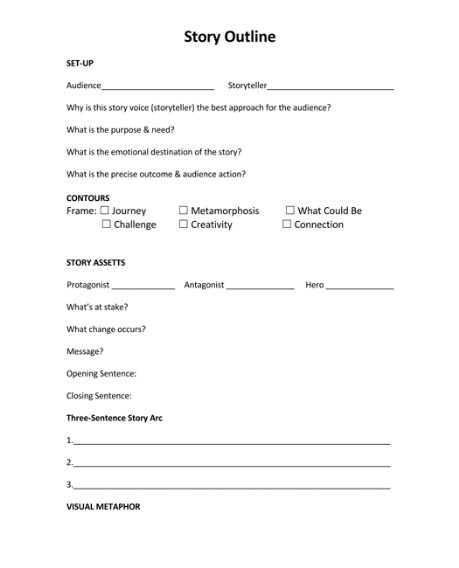
9. Outline Your Story/Article
Before any writing assignment, it’s essential to have an outline to guide you where you need to go. Most writers leverage outlines before they begin their writing process because it provides a roadmap of where they plan to go. Outlines are critical because it’s easy to lose your way without one. Although outlines take some time to set up the positives of having them far outweigh the negatives. With outlines, the positives include the following:
– Guide to where your writing goes
– Easier to focus on each task
– Accomplish writing tasks faster
(Source – Dotxes.com)
10. Writing a Messy First Draft
Refrain from getting bogged down with punctuation, spelling, and grammar when writing your first draft. Fixing every little error you have while trying to write can frustrate you and significantly slow you down. Before you begin writing, take a few moments to decide what you want to write about, then dive in. Try writing freely and focusing on the overall story or topic using your outline. You can fix things like punctuation, grammar, and structure later.
A free writing session can make your writing start process easier because it has no restrictions or structure. You are allowed to write what comes to you. A free writing session is great because you can write about anything without limits.
11. Have Fun
It’s essential when performing tasks about things you are doing to have fun. Fun allows you to have the enthusiasm to keep going, especially when times get tough. You’ll have an easier time maintaining focus and avoiding procrastination and maintaining focus.
It’s also essential to take your writing seriously and always maintain sight of the enjoyment of performing and accomplishing your tasks and goals.
Conclusion
Starting your writing process will be much easier with the steps previously outlined. You can write without issues, whether a novel, short story, or blog post. These writing tips will help you overcome the hurdles preventing you from your writing and also improve your overall writing process. These writing tips are easy to implement and follow through with.
Feel free to reach out with any feedback you may have. I love hearing from you. Writing can be challenging but should never be discoursing, so focus, keep writing, and above all else, have fun.
Thanks for reading.