
Have you struggled with creating a presentation that properly displays your content strategy? Your content strategy presentation can be a deciding factor in receiving approval from management to move forward with your plans. It can also be a key aspect in obtaining buy-in from your content team.
This article will guide you through the key components of a content strategy and presentation. It defines content strategy, setting clear goals and objectives, and provides best practices for creating your content strategy presentation.
What is a Content Strategy?
Before jumping into building your content strategy presentation, you should first understand what a content strategy is. A content strategy is a document that performs the following:
- Outlines your plan for creating, developing, and distributing your content.
- Details how your organization will market content.
- Documents content alignment with business objectives.
- Details how audience needs and pain points are addressed.
Brands with a strong strategy create richer narratives, boosting customer engagement, increasing brand awareness and driving conversions.
Additionally, a solid content strategy can significantly reduce content creation and marketing costs, ensuring a solid return on investment (ROI). It’s important to note that the strategies and best practices outlined in this article can help improve various types of content strategies. For example, they can help with a general content strategy, a B2B content strategy, and a small business content strategy.
Key Components of a Content Strategy Presentation
To successfully develop a content strategy presentation, you must understand its key components. Understanding these components will allow you to build an excellent strategy presentation. Without further ado, let’s jump into them.
Setting Clear Goals and Business Objectives
Every successful content strategy starts with clearly defining your SMART goals. Setting SMART goals is vital to your strategy’s success because they are your starting point; they must link back to your business objectives. With your business objectives and SMART goals aligned, moving forward with developing content is easier.
SMART goals are classified as:
- S – Specific
- M – Measurable
- A – Achievable
- R – Relevant
- T – Time-bound
Clear, measurable goals are crucial for a focused content strategy.
Identifying Your Target Audience
The next important step in building your framework is identifying your target audience, in this case, your content team and executives. Your audience is the engine behind your content. If no one reads or views it, it isn’t successful. It will be difficult to get started
without conveying your vision to management or your content team. Understanding your audience will help you present the strategy in a way that resonates with them.
Developing Your Content Strategy Presentation
It doesn’t matter if you’re developing your content strategy presentation for your team or executives; it must resonate with all of them. To create an awesome presentation that resonates with them, follow these best strategies, detailed below.
Content Types and Formats
The format of your presentation matters. An executive may view your presentation differently than a team member. What works for one audience may not work for another. When developing your strategy presentation, all ideas are on the table.
For example, executives prefer presentations with metrics to back up what you’re saying. Use charts and graphs to help explain how your content strategy will help your content resonate with your audience. For example, your overall message may focus on stressing the importance of building customer loyalty and, as a result, customer retention. While focusing on that message, you may leverage statistics with charts and graphs. The use of visuals is a must, especially with management. The use of visuals is on the rise and will only continue to become more and more popular.
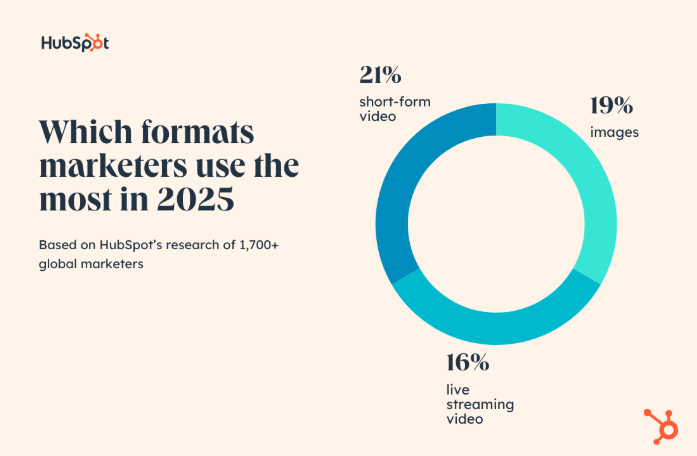
(Source – HubSpot)
Your content team, on the other hand, prefers a presentation that is straight and to the point and has less fluff (e.g., charts and graphs). Use large headers with bullets and examples. Examples help back up what you’re trying to convey.
Creating a Clear Roadmap with Milestones
Within the presentation of your content strategy, you want to ensure it has a clear roadmap with milestones documented. A roadmap with milestones makes it easy for your audience to understand your strategy. Key items to include in your roadmap include the following:
- Timeline of key events
- Writing process phases
- Key deliverables
- Success metrics and KPIs
Your presentation’s roadmap and milestones convey a sense of control and forethought regarding your content strategy. They show your audience that you have really put a great deal of thought into it.
Addressing Business Challenges Upfront
One of the most important aspects of your presentation is addressing your organization’s business challenges. This is especially key when presenting to management. If your content doesn’t help remedy your organization’s challenges, it isn’t helpful, and it won’t get approved.
Auditing Existing Content
Auditing existing content is a critical step in developing a successful content marketing strategy. This process involves a thorough review and evaluation of your current content to determine what is working and what needs improvement. Conducting an audit helps you identify gaps in your content marketing strategy, refine your content creation process, and develop a more effective content marketing plan.
By understanding the strengths and weaknesses of your existing content, you can make informed decisions that enhance your overall content marketing efforts and better meet the needs of your target audience. The added bonus of this strategy is that it helps enhance your presentation. Knowing where your content stands will help you improve your strategy messaging.
Best Practices for Presenting Your Content Strategy Presentation
Although you have more than enough to build a presentation, there are many best practices you can include to take it to the next level. Using some or all of these best practices will improve your chances of your content resonating with your audience.
Visual Design and Layout
Bland presentations today don’t cut it. Today’s content is filled with awesome visuals, whether infographics, charts, graphs, etc. The visual appeal of your presentation significantly affects the audience’s engagement and retention of information. Your visual design elements should complement your facts, statistics, and metrics.
A clear layout guides the audience’s eyes and helps them follow the flow of information. Combining appealing design with a logical layout ensures your message is understood and remembered.
Engaging Storytelling Techniques
Developing content that resonates with your audience can be tricky. Today, audiences don’t engage with content they consider dry and lifeless. Drawing from personal experiences and anecdotes makes your content better. People resonate more with content from content that has personal stories.
Be honest with your audience, even if you are light on personal experiences or none at all. They are more likely to continue reading anyway.
Using Real World Examples
There is no better way to show the strength and foresight of your content strategy than to include real-world examples. Having examples from the real world that show some of your strategies in action betters your chances of your audience engaging with them. For example, Backlinko is touting the success of their Skyscraper Technique 2.0. The chart below shows the success of the implementation over time.

(Source – Backlinko)
Presenting your strategies and showing how they have been successful for others gains audience trust.
Leveraging Metrics to Measure Success
Metrics should also be leveraged in the same vein as real-world examples. KPIs such as traffic, engagement, and conversions help audiences better understand the points you’re trying to convey. Showing how your metrics translate to business results (revenue, retention, and cost savings) is the cherry on the sundae.
Incorporating Forecasts and Projections
Predicting your content strategy’s success is a great way to get your audience on board with your content. Your content strategies ‘ presentation will only be strengthened with the forecasts and projections coupled with real-world examples and metrics. When using forecasts and projections, include items such as:
- Traffic and engagement projects
- Resource requirements over time
- Competitive positioning timeline
- Conversion and revenue impact
Highlight Your Competitive Analysis
Showing how your content strategy positions your organization against key competitors helps give your organization a better understanding of how your content stacks up. Knowing where your organization stands gives your organization a chance to strengthen its strategy. A competitive analysis is also great because it gives your organization the opportunity to address gaps in your industry.
Recommended Content Strategy Presentation Tools
There are many tools available that can help improve your presentation. Don’t think of these tools as crutches; they simply enhance your presentation.
Canva
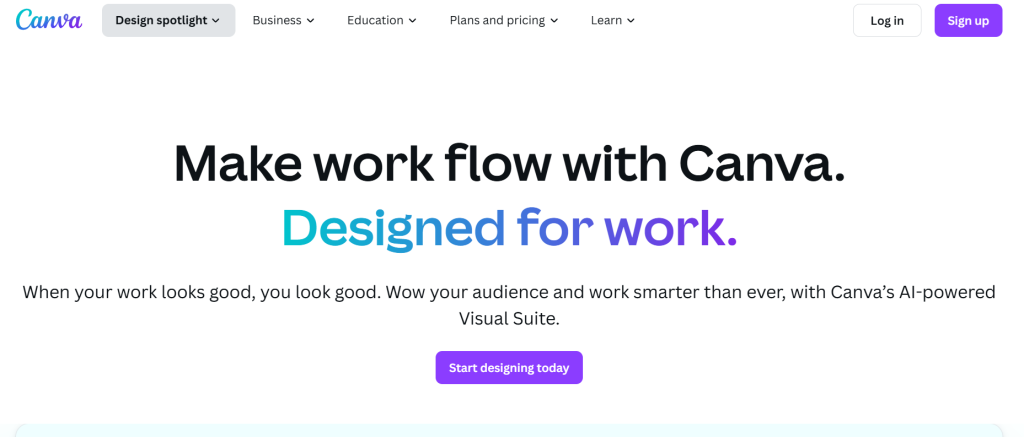
Canva is an amazing tool for anyone wanting to improve their presentations. Canva is a free online graphic design tool that helps content developers develop the following:
- Presentations
- Videos
- Logos
- Presentations
They offer a large number of templates that can help get you started.
Microsoft PowerPoint
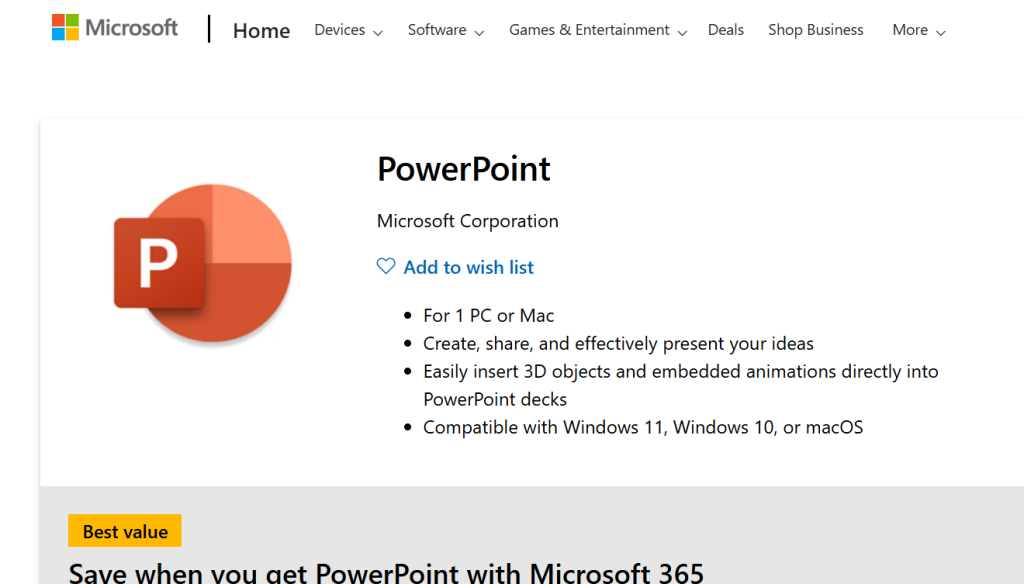
The most popular presentation tool is Microsoft PowerPoint. Although I personally use Canva for presentations, I use Microsoft PowerPoint the most, especially as part of my day job. PowerPoint is a tool that is part of the Microsoft Office suite and used to develop presentations. PowerPoint comes with a plethora of presentation templates and other design elements, including:
- Smart Art
- Animation
- Sound Effects
Although it’s not free, it’s well worth the cost and highly recommended for anyone who wants to build amazing content strategy presentations.
Conclusion
In summary, creating an effective content strategy presentation involves setting clear objectives and understanding your target audience. It also involves a great deal of organizational and industry knowledge. Be mindful of how strategy aligns with your organization’s business objectives.
Following these strategies and best practices will ensure that your content strategy presentation resonates with your audience and drives tangible results (team member and executive buy-in). By implementing these strategies and best practices, you’ll be well on your way to crafting your ideal content strategy presentation.