
Imagine being able to buy and sell your products and service on an online distribution platform? Being able to take a great deal of the daily tasks and headaches with selling products online. You can do all of this through a B2B marketplace. B2B marketplaces are online platforms that allow businesses to buy and sell products and services to each other, they connect buyers to sellers.
Day after day potential customers use these marketplaces looking for items to purchase. B2B marketplaces offer a great deal of benefits to their buyers and sellers which has become extremely popular among all types of businesses ranging from small businesses to large businesses. In this blog post we will give you further insight into what a B2B marketplace is, strategies to leverage the marketplace to grow your business as well as the current list of the top 9 B2B marketplaces.
What is a B2B Marketplace?
Before we further explain what a B2B marketplace is we should first explain what B2B means. B2B stands for business to business, meaning that business sell products and services to other businesses. In contrast B2C is business to consumer which means business sells to consumers.
As previously mentioned B2B marketplaces are online platforms which allow business to both buy and sell products and services to each other. B2B marketplaces not only cover physical products but also digital solutions as well as software solutions. The products can be expensive high ticket items as well as less expensive items. The marketplaces give organizations the opportunity to seek out and find new customers, increase their sales and improve their overall efficiency. These marketplaces also allow buyers to select from a wide range of products giving them a better opportunity to find exactly what they are looking for.
Types of B2B Marketplaces
With so many types of products and services out there are also many types of B2B marketplaces in place to cover these types. The most prevalent among the current crop of B2B marketplaces are vertical marketplaces, horizontal marketplaces, service marketplaces, product marketplaces and contracting marketplaces. What is great about having a such a variety of marketplaces you as the buyer will be able to better home in on finding specifically what you want. It doesn’t matter the business industry you are in, there is a marketplace out there for you. As the seller you can put your products or services on a specific marketplace which will help prevent what you’re selling to get lost in the shuffle.
B2B Vertical Marketplace
B2B vertical marketplaces specialize in facilitating transactions between business and specific industries. For example, Chemnet which is an online global marketplace that serves businesses trying to buy chemical equipment.
Being able to have products on a narrowly focused scope will help both the buyers and sellers. This level of specialization allows businesses to easily discover the most suitable partners, products, and services for their unique needs, fostering a highly efficient ecosystem for trade and collaboration within the vertical.
B2B Horizontal Marketplace
In contrast to the vertical marketplaces the horizontal marketplaces are extremely broad. Instead of focusing on specific types of industries the horizontal marketplaces focus on many industries which covers a great deal more products and services.
Two great examples of horizontal marketplaces are Amazon Business and Alibaba. Both these marketplaces sell just about everything ranging from clothes to computers.
B2B Service Marketplace
As the name states this marketplace focuses on the seller and their services. This is a great place for various companies covering small, medium and large to find services they need. Sellers especially freelancers find B2B service platforms helpful and profitable.
An example of a service marketplace is Upwork. The services offered on service marketplace websites similar to Upwork include but not exclusive to IT services, web design, writing, editing and marketing.
B2B product marketplace
Product marketplaces focus on selling products ranging from both software and physical products. Physical products may include but are not exclusive arts, crafts, computer and business supplies and clothing. An example of a product marketplace is Etsy.
B2B Contracting (Time and Materials) Marketplace
The contractor marketplace is similar to the service marketplace in that it can provide businesses the opportunity to find services that fits their organizational needs. Where it differs is that it focuses more on manual labor that could involve aspects like travel.
Among the types of services covered within a contractor marketplace are IT, travel, freight, and shipping services as well as temp work. An example of a contractor workplace is Fiverr.
Advantages of Leveraging a B2B Marketplace
Leveraging your products and services within a B2B marketplace has many advantages, that will help your business thrive. It’s important to take try and leverage them to the best of your ability as they will only help your organization in the long run.
Expansion into new markets
Expansion is a key to any business and with the help of a marketplace your business has a strong possibility of being able to perform that feat. Most marketplaces today can be identified as a global marketplace because they have buyers local to your country as well as international buyers. B2B marketplaces provide the perfect opportunity for businesses to expand into new markets and reach customers that would have been otherwise inaccessible. This is especially useful for a small business that wants to increase their customer base, revenue and profit margins.
Leverage Marketplace’s Existing Sales and Purchasing Processes
B2B marketplaces also offer the advantage of leveraging their existing sales and purchasing processes. This makes it easier for businesses to purchase or sell with fewer complications and ensures that the process is smoother and more efficient. As a person selling products and services on the platform you won’t have to worry about the various sales and administrative tasks such as sales and outreach. You won’t require a sales team to perform many of the actions the platform can.
These marketplaces also handle many types of business transactions as well as covering multiple payment systems including credit, debit, Apple Pay and Google Pay.
It would be advantages for a small business to heavily leverage a marketplace as part of their primary sales business model. As part of their business model they don’t have to rely on building their own place to sell their products and services, at least in the beginning.
In addition to the sales and purchasing processes many B2B marketplaces also makes the shipping process for customers easier which in turn eases the burden on the seller. By having the marketplace platform handle most of the selling process for you it makes for the overall shopping experience easier.
Leverage Marketplace’s Reputation
B2B marketplaces also offer the advantage of leveraging their existing reputation. This ensures that buyers and sellers can trust each other, as the marketplace is already established and has a good track record. Many of these marketplaces have reliable suppliers, buyers, sellers etc. because they are properly vetted before being allowed to post their products and services. Once you are in one of these marketplaces, you’ll have a sense of inherent trust because you are on a reputable platform selling your products and services. Customer trust is one of the most important aspects of business. It’s important to know that although you leverage the inherent reputation of the marketplace you should still market your products by leveraging different techniques such as high ticket digital marketing for expensive items or low ticket digital marketing for inexpensive items.
Increase Sales Efficiency
By using a marketplace, businesses can streamline their purchasing process, saving valuable time and resources. The streamlined processes that are in place also makes it easier for buyers to find what they need quickly, reducing the risk of lost sales. The more streamline a process the quicker and easier it is for your business to close a sale.
Reduction of Operational Costs
B2B marketplaces reduce costs by providing access to suppliers at competitive prices, eliminating the need for businesses to pay additional fees or commissions. Using a B2B marketplace can significantly reduce overhead costs, because your business doesn’t have to rely on a physical store location. There is a large cost savings component here because your not incurring more costs by having more overhead and paying for more to manage your own sales portal.
This allows companies to focus their resources on areas that are most important such as creating amazing products and services as well as making sales and revenue growth.
Disadvantages of Leveraging a B2B Marketplace
While B2B marketplaces have many advantages and overall has revolutionized the way companies collaborate and conduct business, they have also brought about certain disadvantages.
These disadvantages can often hinder your organizations sales process improvements and overall revenue growth. Understanding these disadvantages can help your company figure out how to limit their effect on your business’ growth and success. From increased competition to sales fees, understanding these shortcomings is crucial to navigate the increasingly complex world of B2B commerce.
Seller Competition
One of the biggest disadvantages of using a B2B marketplace is the competition it brings. Due to the large number of buyers and sellers on these platforms, prices can become very competitive, which can make it difficult for not only your business but other businesses to find their lane within the marketplace and sustain growth.
It’s important to not only understand your competition but your customers. Being able to understand and home in on what your customers want will help you with intense competition your business is facing.
Marketplace Fees Limit Your Profits
Many B2B marketplaces as part of their business model employ a listing fee model which require the sellers to pay different fees for listing their products and services but also after the sale has been made. This can have an impact on a company’s bottom line, as these fees can significantly reduce the amount of profits they make from sales.
When trying to find a marketplace that works best for you it’s important to see what fees you have to pay and forecast how that can affect your business.
Marketplaces Own Your Customer’s Experience
When using a B2B marketplace you must realize that they predominately own your customer’s experience. The customer is on the platform buying your product/platform through them, businesses have limited control over it. This can lead to unmet expectations and dissatisfied customers, which can negatively impact a company’s reputation.
An important item to keep in mind is that before choosing a marketplace research their reviews. See what other buyers are saying about their customer experience. The marketplaces with higher scores are the platforms your organization should focus on as part of your search criteria.
What to Look For When Deciding on a B2B Marketplace
When selecting a B2B marketplace to leverage, there are several factors you should consider. Other than some of the topics we briefly touched on about there are 5 that are extremely important and require more focus on. Keep in mind this is not all of them just some of the most important factors.
Integration Capabilities
It is important to ensure that prior to joining a B2B marketplace to your existing systems can integrate with the marketplaces. If your unable to leverage your internal systems i.e. sales tracking, metrics and accounting. It’s important to ensure that the B2B platform you want to use will align with your internal systems to increase your sales efficiency, and overall quality of work leveraging the platform.
Information Security Capabilities
With the rise of cyberattacks on companies and systems around the world you want to make sure your data is secure. You want to make sure your customer data and sales data among other key data is secure. Some important key security items you want to make sure are in place are as follows:
– Access Controls (Examples – Access provisioning, access termination and password controls)
– Authentication
– Data Encryption (Examples – Encryption while in transit, rest and in use)
– Anti-Virus and Malware
Self-Service Functionality
Being able to provide self-service capabilities is important to the overall efficiency of the businesses leveraging the B2B marketplace. Important self-service capabilities that you should look for in marketplace among various items include sales management, sales tracking, and analytics. The more the business can manage without intervention from the marketplace the higher probability of your organization improving efficacy with the platform.
Analytics Functionality
It is extremely vital to have the ability to analyze your sales data. Being able to review the analytics behind your sales data will allow you to forecast, budget your finances and study customer spend trends. If a B2B marketplace platform doesn’t allow you to perform these various analytic tasks I would think twice before moving forward with using it.
User-Friendly Workflow Capabilities
Another important requirement B2B marketplaces should have in place are user-friendly workflows. These user-friendly workflows enable businesses to manage their transactions easily. Important user-friendly workflow capabilities include the following:
– Drag and drop
– Multiple language support
– Customer support
Strategies to Successfully Leverage a B2B Marketplace
Although there are many inherent benefits to using B2B marketplaces, there are strategies that you can use to improve your chances of success. Below are a couple strategies that can help you increase you chances of success with a B2B marketplace platform.
Study and Learn About Your B2B Buyers
Being able to study and learn about your B2B buyers will only help you better market your product as well as find the right price point. You will also be able to tailor your products or services to meet their needs more effectively. Chances are your product is in a crowded market space within the platform, by understanding who your buyers you’ll be able to assist them. Conducting research on your customers and market is important to your organization’s growth.
Build and Strengthen Customer Relationships
Building a strong customer relationship is paramount for getting new customers but also just as importantly customer retention. Once you have obtained a new customer it’s important to check-in on them and continue to engage with them. Keep in mind we are not saying engagement should be everyday, it should be periodically for example, once or twice a quarter. This can be done via email, phone call or email newsletter.
Outside of the check-in communications there are couple different ways to strengthen customer relationships:
– Offer incentives (Examples – Membership exclusive discounts)
– Rewards
– Promotions
Above all else by focusing on a quality product or service will also help keep customers with your organization.
Offer Free Trials
It is also a good idea to offer free trials of B2B marketplace products or services. This will allow customers to try out the platform before committing to a purchase, and it can help establish trust between businesses and their B2B buyers. Additionally, offering discounted prices for long-term contracts can incentivize B2B buyers to make larger purchases.
Leverage SaaS Workflow Tools For Assistance
Leveraging the Marketplace’s built-in SaaS workflow tools will help streamline many of your B2B operations. Being able to use the works that come with the platform will help manage many of your organization’s day to day tasks including invoicing and order management. Having streamlined processes in place will also help your organization save time on tasks and maximize their overall efficiency.
Top 9 B2B Marketplaces to Sell Online
With today’s digital constantly changing it’s important for organizations to keep pace with it. With B2B marketplaces currently at the forefront of online commerce it’s advantageous of organizations to leverage them. B2B marketplaces grew year over year by nearly 100% in 2023. In 2023 B2B marketplace grew to $224.0 billion from $113 billion in 2022. With so many marketplaces out there to sell your products and services we have complied a top 9 list to start from. Many of the marketplaces listed below are also known as multi-vendor marketplaces because they include multiple vendors selling products and services on their platform. By strategically selling to the top 9 B2B marketplaces, businesses have a unique chance to gain a competitive edge, enhance their market visibility, and maximize profits.
1. Amazon Business
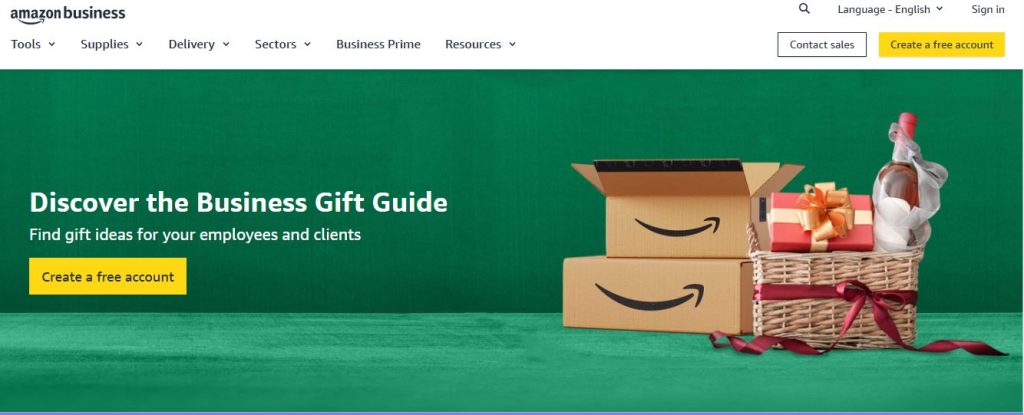
Amazon Business is a subsidiary of the e-commerce giant Amazon, has revolutionized the way e-commerce is performed today. With their size and outreach of businesses around the world this platform is perfect for companies looking for a seamless and efficient procurement process.
One major advantage of Amazon Business is its competitive pricing, often offering products at a lower cost than other suppliers. Additionally, it streamlines the purchasing process with time-saving features like approval workflows and analytics to monitor spending.
Overall, Amazon Business presents a comprehensive and cost-effective solution for businesses.
2. Alibaba
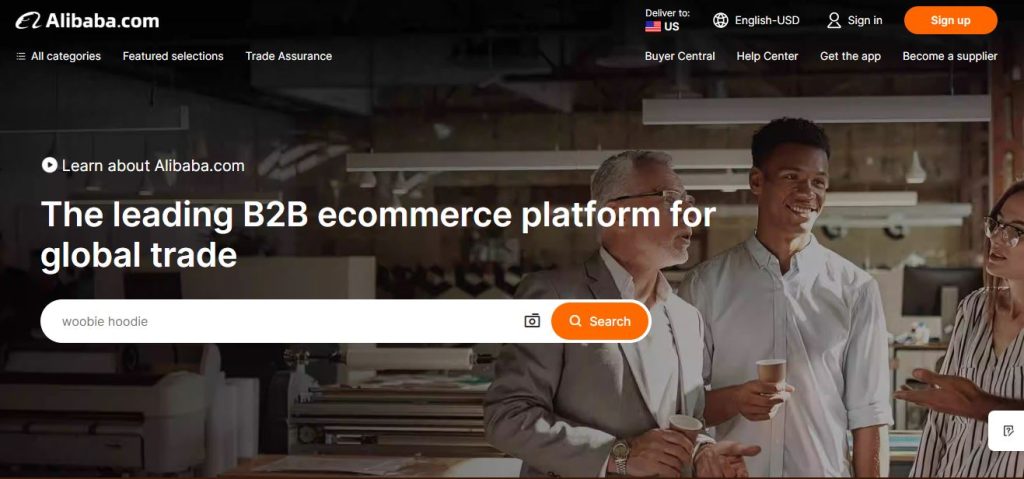
Founded in 1999, Alibaba is one of the world’s largest B2B marketplaces, renowned for its robust product range as well as their excellent customer service. With over 150 million users, the China based company provides reliable access to buyers from many countries around the world.
3. eWorld Trade
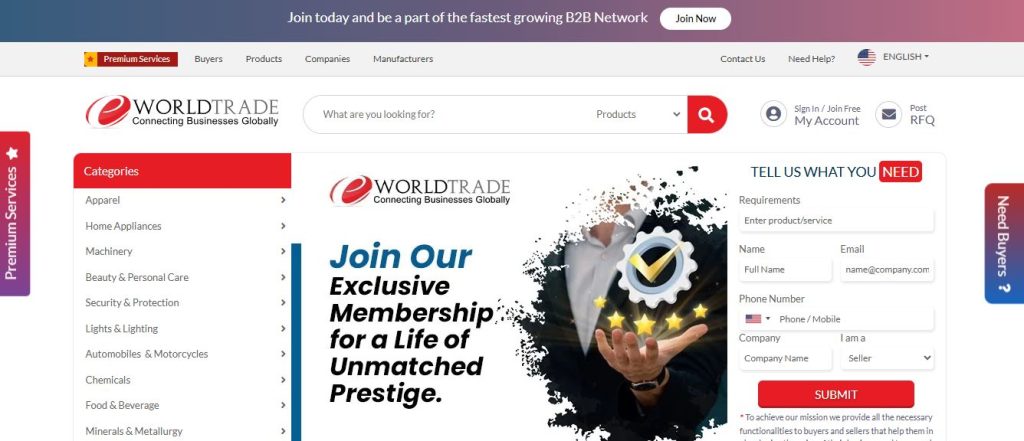
eWorld Trade is a global 2B marketplace that enables businesses display their products and services to potential buyers. eWorld Trade currently over 500,000 registered users. The platform caters to small businesses, medium sized business and large businesses alike. It is especially popular among small businesses as it offers cost-effective solutions. eWorld Trade goal is to grow your business by displaying your products on their portal in a way that will attract the most attention.
4. Global Sources
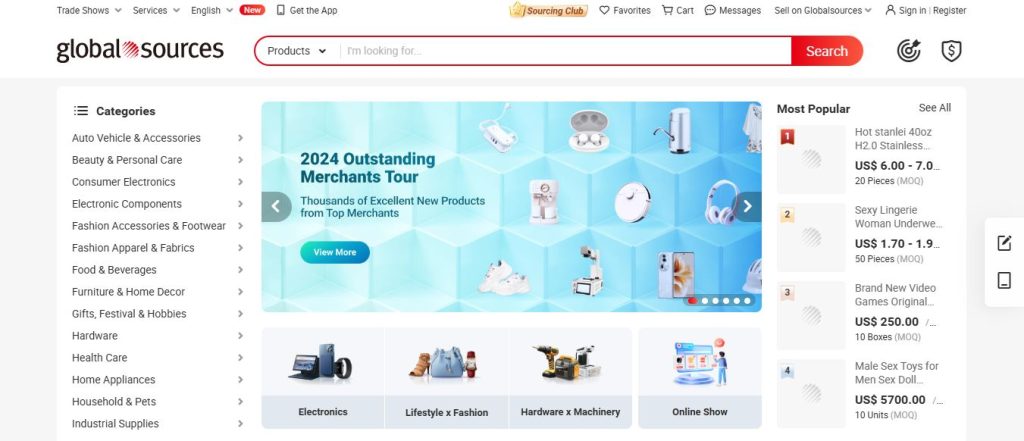
Global Sources is a B2B media company that provides access to buyers from around the world and serves more than 10 million registered buyers and users some of which includes 97 of the world’s top 100 retailers. Global Sources also offers buyers and suppliers to connect via specifically tailored solutions and market intelligence. Additionally, the platform also supports various B2B events, providing businesses with an ideal opportunity for networking and expanding their reach.
5. DH Gate
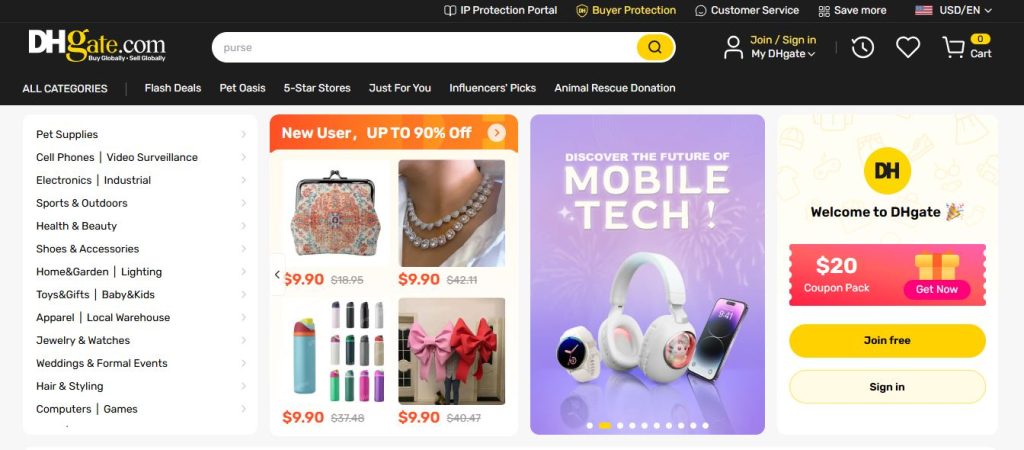
DH Gate is a B2B marketplace that has a focus on providing small and medium sized organizations cross-border ecommerce services. Within services platform offers the following:
– Financial and payment services
– Customer service
– Traffic management
– Warehousing and logistics
DH Gate also has an extensive selection of products ranging from apparel and electronics to jewelry and home goods, making it ideal for businesses looking for a diverse range of products.
6. ECPlaza
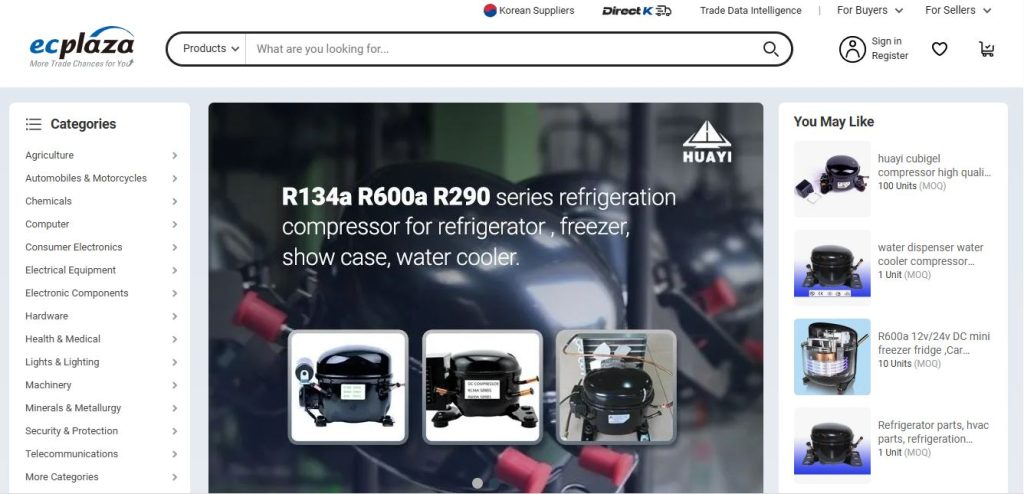
ECPlaza is and online B2B marketplace that has been around since 1996. Its customers range from small businesses to large corporations, making them an excellent platform for organizations of all sizes. ECPlaza also has a strong expertise in trade infrastructure, as well as on and off-line overseas marketing and trade consulting services.
ECPlaza’s core business focus is to give their customers a One-Stop Trading network that focuses on offline support and addressing businesses biggest cyber-business needs.
7. Made-In-China
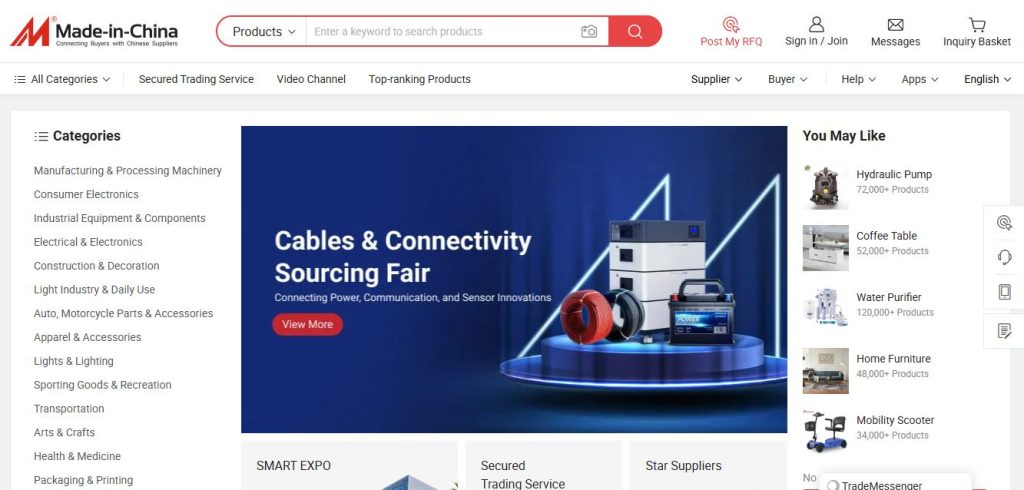
Made-In-China is a B2B marketplace that focuses on connecting Chinese suppliers to buyers. The platform offers access to over 3,000 categories of products. Made-In-China boasts over 6 million registered suppliers and more than 14 million registered buyers. The platform provides an efficient online transaction system that allows clients to quickly and securely complete purchases.
8. HKTDC
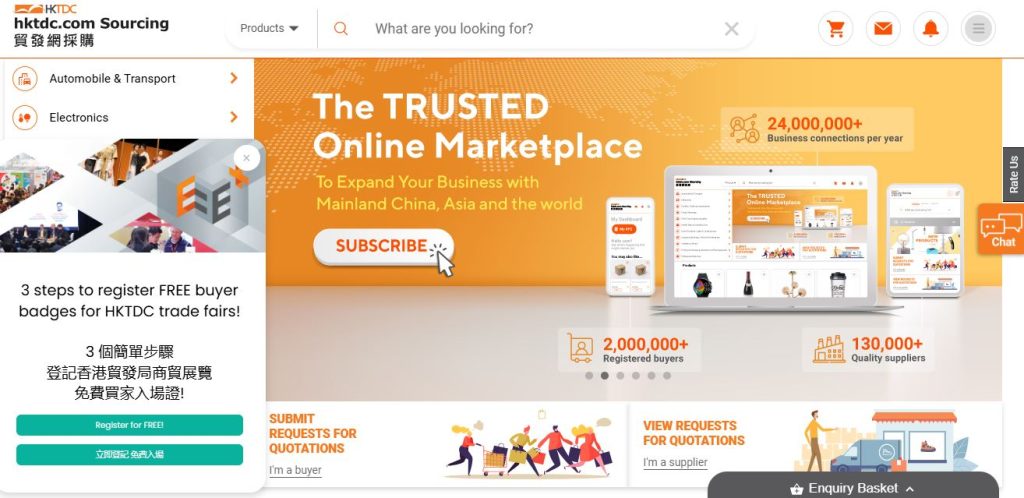
One of the oldest organizations on the list, HKTDC began in 1966. HKTDC is a B2B marketplace based in Hong Kong, providing a wide variety of business services to customers from around the world. Among HKTDC’s key features is their Miniature Command Zone Small Command Zone. The Miniature Command Zone Small Command Zone platform search function allows you to search from high qualities products and verified vendors. Other features include organizing meetings between authorized suppliers and buyers as well as an amazing incentive program.
9. SeeBiz
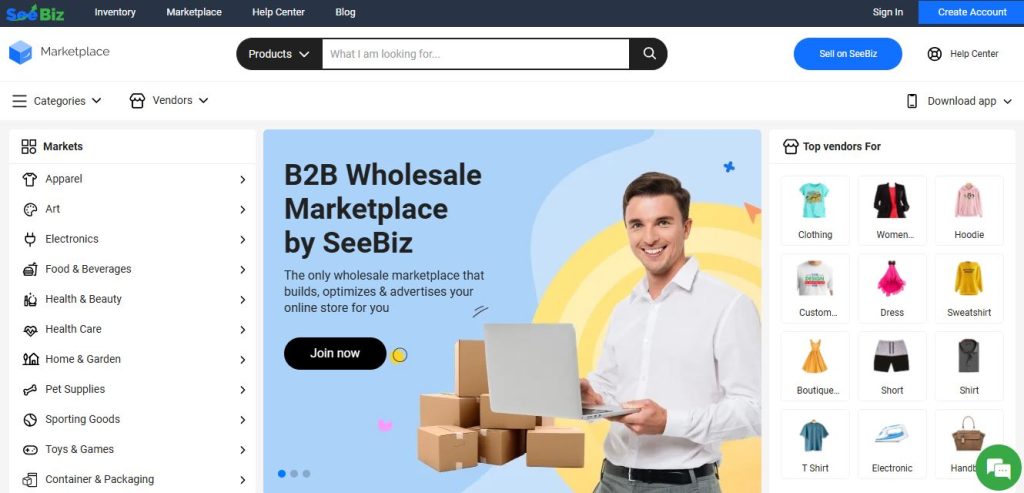
SeeBiz is a B2B marketplace that allows manufacturers, wholesalers, retailers and distributors to connect and exchange products. The ability to interact with other businesses is a great feature that SeeBiz leverages as part as well as the ability to advertise your online store of their platform.
Conclusion
B2B marketplaces open up new avenues for businesses to grow and thrive in today’s digital world. It is important when searching for the right marketplaces to do business to understand what your strategies will be to optimize your success.